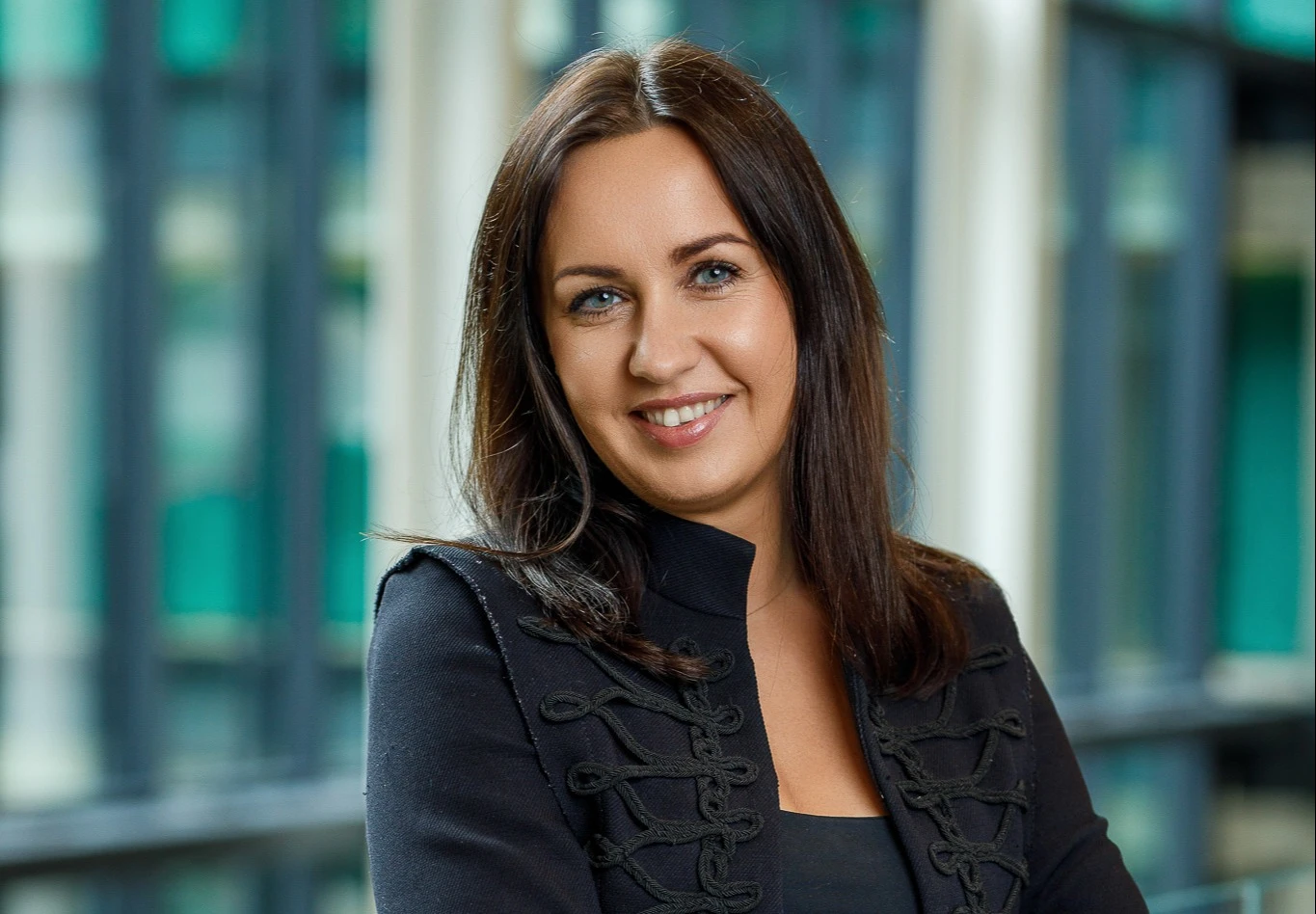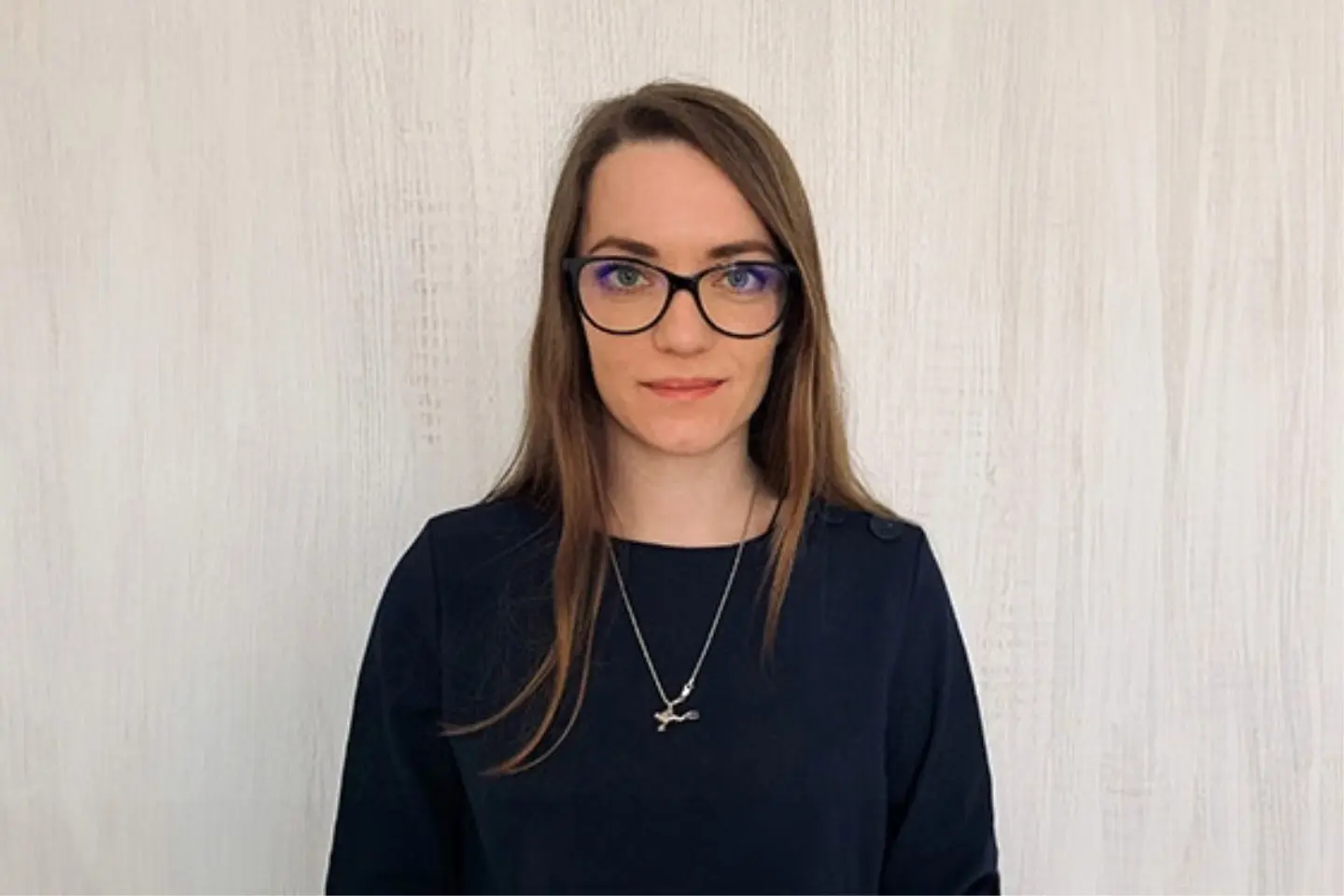
Data plays a significant role in Jovita Revollo's professional life. Having spent almost 10 years in the IT field specializing in data, she now works as a Senior Data Engineer at Telia. But, as Jovita explains, she did not choose data engineering. Instead, data engineering chose her. It is a turn in her professional journey she is very happy about.
We spoke with Jovita about her path into data engineering, her role at Telia and the inner workings of this fast-evolving profession.
How did you get into Data Engineering? Was it your first career choice, or did you explore different paths?
While I initially pursued financial studies, my career took an unexpected turn toward data engineering. After a gap year in Australia post-graduation, I returned to Lithuania with different career aspirations. Fortunately, there was an opening in a DevOps internship programme at one of the UK Banks in Vilnius and I was selected for the role. That was where I learned about data engineering and successfully started my career in this field.
More and more people get interested in Data Engineering, although there is still some confusion about the job specifics. Could you tell us about your work at Telia?
I am a Senior Data Engineer in Data Platforms Capabilities Team at Telia Lithuania. My main responsibilities include developing new data pipelines and integrations for our AWS (Amazon Web Services) Redshift-based data warehouse, and AWS S3-based data lake.
In addition, we maintain a legacy Hadoop-based data lake that stores sensitive information shared with Law Enforcement Agencies. Part of my role involves maintening and supporting this environment as well.
Is Data Engineering just advanced coding? What skills do you use daily?
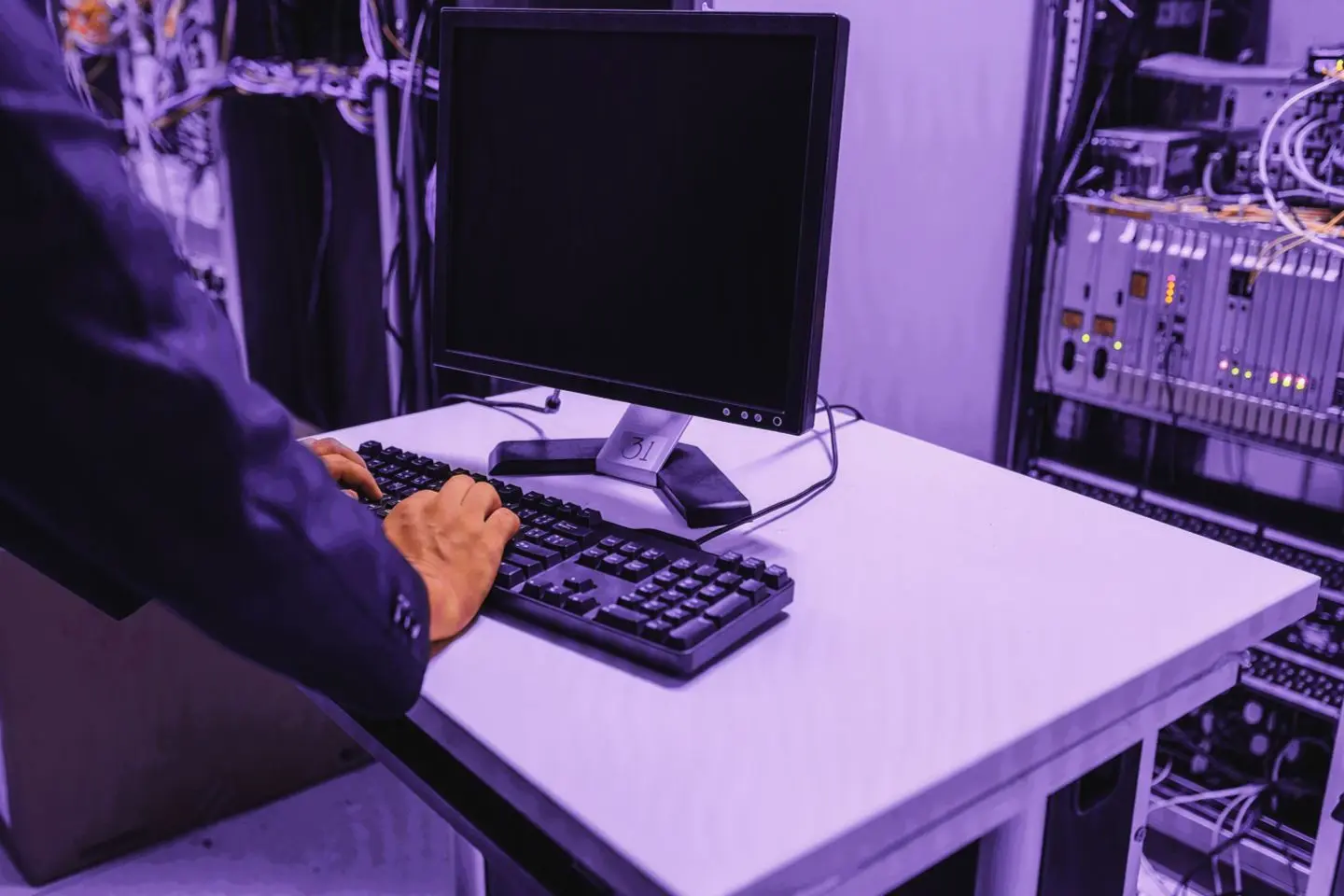
If data engineering was only a coding job, it would be much easier. Data engineers have many more responsibilities:
requirement gathering;
raw data analysis and exploration;
helping with solution architecture;
creating new pipeline integrations;
collaborating with data scientists and business analysts.
We also explore new tools and technologies. Only then comes the coding itself.
How many different specialists work with you?
Our team mainly consists of data engineers, but it also includes a Delivery Lead, Service Manager, Data Mapper, Solution and Domain Architects, ML Engineer and several business analysts who join us virtually to help with business requirements, data analysis, mapping and building the business layer within the data warehouse. It is a very dynamic work environment with plenty of opportunities to grow and learn from one another.
How closely do you work with other teams?
Everyone in the organization needs clean, structured and accessible data, so we collaborate with many different departments. However, our key stakeholders are business analysts and data scientists.
What projects are you working on? Which one was your favourite so far and why?
My primary role involves developing a new cloud-based Data Warehouse and Data Lake. One standout project involved setting up a UAT (User Acceptance Testing) environment in AWS, significantly improving development and testing processes for our team. The environment closely mirrored production, enabling smoother workflows for data engineers, business analysts and data scientists. As a result, it had a significant impact across the company.
Why did you choose Telia for your professional growth?
For me the most important factors when choosing an employer were access to cutting-edge technologies and challenging assignments. I can confidently say that Telia offers both.
From implementing and leveraging the latest technologies to managing large-scale and complex data environments within Telia's systems, the company consistently proves itself at the forefront.
Without hesitation, I would recommend Telia Lithuania to any data specialist seeking opportunities to learn, grow, and embrace new challenges.